
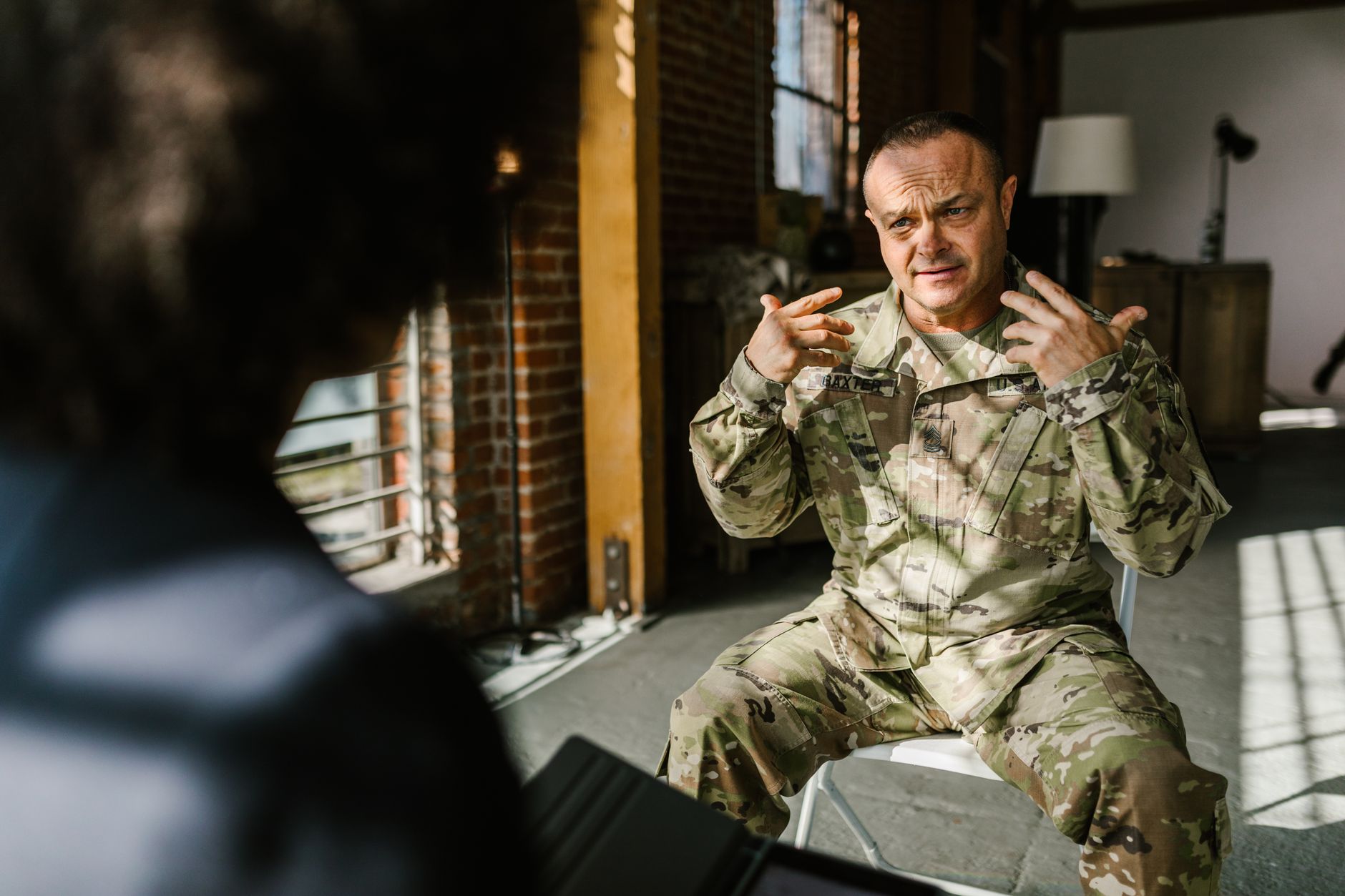
Dating someone with PTSD means learning to read triggers, offer steady reassurance, and communicate with more intention than a typical relationship might require, but it does not have to be frightening or fragile if both people commit to patience and honesty. For women navigating ADHD alongside trauma histories, understanding both conditions together can make relationships feel less overwhelming.
What PTSD Looks Like in a Relationship
Post traumatic stress disorder develops after a person experiences or witnesses a traumatic event. According to the National Institute of Mental Health, PTSD was once associated almost exclusively with combat veterans, but clinical understanding has expanded to recognize it in survivors of abuse, sexual assault, domestic violence, accidents, and violent crime. The condition often involves flashbacks, where the nervous system reacts as though the traumatic event is happening again in the present moment.
Those flashbacks are set off by triggers, and triggers can be almost anything: a raised voice, a loud noise, a particular smell, or a scene in a movie. Someone who survived a car accident might tense up at screeching brakes. Someone who lived through an abusive relationship might shut down when a partner's voice escalates during an argument. Triggers are not chosen and they are rarely logical from the outside, which is part of why they can feel confusing to a new partner.
Is Dating Someone With PTSD Difficult
Many people wonder whether dating someone with PTSD is inherently hard, and the honest answer is that it depends on communication, patience, and timing rather than the diagnosis itself. Healing from trauma is not linear and does not happen on a fixed schedule. Someone rebuilding trust in relationships may feel ready for dating while still working through fear, hypervigilance, or moments of emotional withdrawal.
People living with PTSD often face their own internal questions before opening up to a new partner: when to disclose the diagnosis, how to cope if the relationship ends, and how to avoid letting past trauma make every interaction feel weighty. Rejection is painful for anyone, but for someone with a trauma history it can reopen old wounds, so having a plan for managing that possibility matters. At the same time, staying overly guarded can rob the relationship of joy, and dating is still meant to include curiosity and fun even while trust is being built carefully.
Practical Ways to Support a Partner With PTSD
Partners who want the relationship to work benefit from a few consistent habits rather than grand gestures. Patience tops the list: learning someone's triggers takes time, and pressuring them to identify every sensitivity immediately usually backfires. Paying attention to what a partner is not saying matters too. A partner might not have words for what just happened, but a change in body language, sudden silence, or emotional withdrawal can signal that something triggered a stress response.
- Ask directly what triggers are, rather than guessing or making assumptions
- Offer reassurance regularly, especially statements that affirm commitment and progress
- Respect stated boundaries around touch, tone, or certain topics without needing to fully understand them
- Stay honest, since trust that has already been broken by past betrayal is easily damaged again by even small dishonesty
- Keep communication open even when conversations get uncomfortable, and allow breaks when a discussion becomes too intense
Flexibility runs in both directions. The partner without PTSD should not be expected to reorganize their entire life around every possible trigger, but they should approach sensitive areas gently. Meanwhile, the partner with PTSD benefits from remembering that their partner is learning a new emotional landscape and will need some grace along the way.
Setting Boundaries Without Losing Yourself
One point that often gets lost is that supporting a partner with PTSD does not mean abandoning your own needs. A healthy relationship requires both people to be vocal about what they need, since no one can read minds. Partners who suppress their own boundaries to avoid upsetting someone with PTSD often end up resentful, which does not serve either person.
Respecting a partner's trauma also does not mean walking on eggshells indefinitely. It means approaching disagreements with more awareness of tone and timing, while still being able to express frustration, disappointment, or disagreement honestly. An open mind matters here too. Trauma is more common than many people realize, and assuming the worst about someone's reactions, or judging them for needing space, tends to create the very misunderstandings that damage trust.
When Professional Support Makes a Difference
PTSD symptoms generally do not resolve without treatment, and mental health professionals broadly agree that therapy plays a central role in recovery. Options range from individual trauma focused therapy to family therapy, which can be especially useful when the trauma stems from dysfunction within a family system. Support groups also give people with PTSD a chance to connect with others who understand the experience firsthand, which can ease some of the isolation trauma often creates.
For a partner, this means recognizing that love and patience are valuable but not substitutes for clinical care. If a partner's symptoms are worsening, if flashbacks or emotional shutdowns are becoming more frequent, or if the relationship feels consistently overwhelming for either person, encouraging professional support is a reasonable next step. Anyone in crisis or experiencing thoughts of self harm should contact a local emergency line or a crisis helpline immediately rather than relying solely on a partner or friend for support.
What Comes Next in the Relationship
There is no fixed timeline for how quickly trust builds when one partner is managing PTSD, and that uncertainty is often the hardest part for both people to sit with. What tends to matter more than speed is whether both partners keep choosing honesty, patience, and open communication as the relationship evolves.
Frequently Asked Questions
Is dating someone with ptsd hard?
It can present real challenges, particularly around communication and triggers, but many relationships with a partner who has PTSD are stable and fulfilling when both people practice patience and honest communication.
What to know about dating someone with ptsd?
Know that triggers are not chosen, healing is not linear, and consistent reassurance, respected boundaries, and professional treatment all play a role in helping the relationship function well over time.